

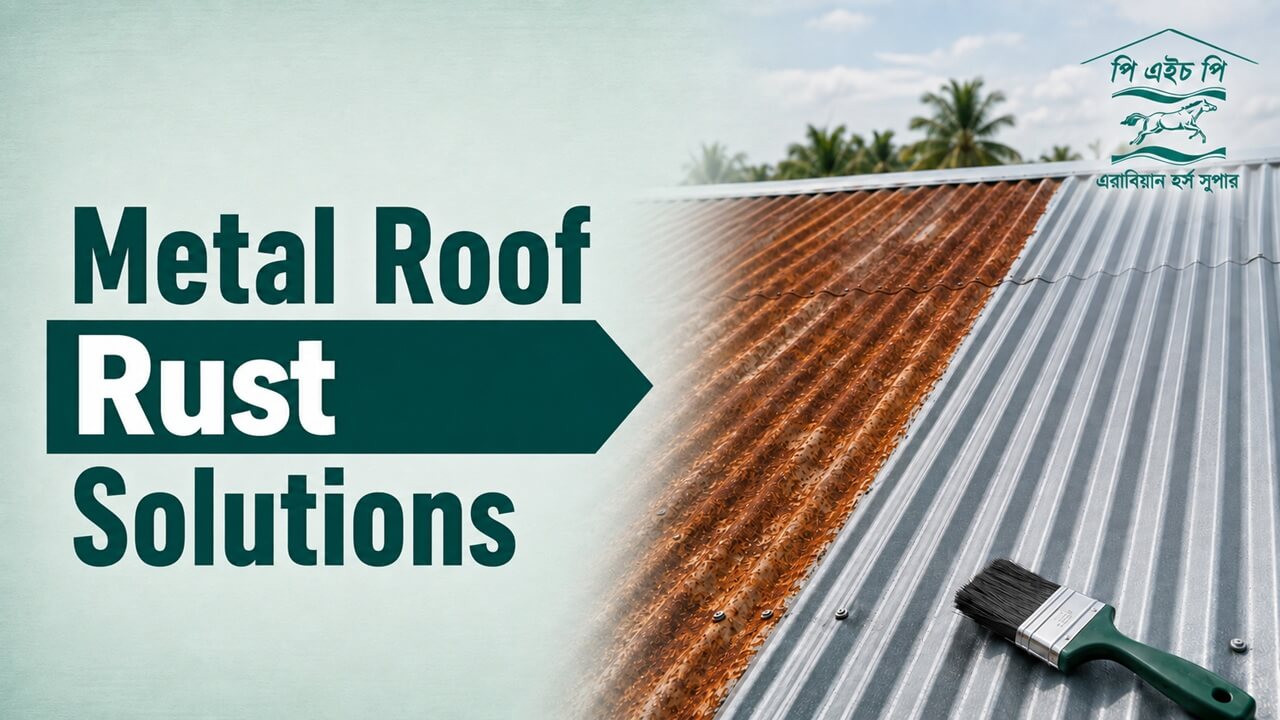
Metal roof rust is a common problem in Bangladesh because roofs regularly face rain, moisture, heat, dust, and polluted air. Rust may begin as a small brown or reddish mark. If ignored, it can slowly damage the protective coating, weaken the metal, and create holes or water leaks.
The good news is that early rust can often be controlled. Regular inspection, proper cleaning, correct installation, and timely repair can help keep a tin roof strong for many years. This guide explains why rust develops, how to identify it, and what you can do to protect your roof.
What Is Metal Roof Rust?
Rust is a form of corrosion that develops when iron or steel comes into contact with oxygen and moisture. This chemical reaction gradually affects the metal surface.
Most modern tin roofs are made from steel with a protective zinc, aluminium-zinc, paint, or colour coating. This coating creates a barrier between the metal and the surrounding environment. When the protective layer remains undamaged, it reduces the risk of corrosion.
However, scratches, poor installation, standing water, and long exposure to moisture can damage this protection.
The exposed metal then becomes more likely to rust. A properly manufactured galvanized Dhew Tin uses a protective zinc coating to help reduce direct contact between the steel and moisture.
Why Does a Tin Roof Start Rusting?
A roof does not usually rust without a reason. Several environmental, material, and installation-related factors can cause tin roof rusting.
1. Long Exposure to Rain and Moisture
Bangladesh receives heavy rainfall during the monsoon season. When rainwater stays on a roof for too long, it keeps the metal surface wet and increases the risk of corrosion.
Moisture may also collect under the tin if there is poor ventilation. In such cases, rust can develop on the lower surface even when the upper side looks normal.
2. Damage to the Protective Coating
The protective coating may become scratched while the sheets are transported, stored, cut, or installed. Even a small scratch can expose the steel underneath.
Rust may begin in this exposed area and gradually spread around it. Workers should therefore handle tin sheets carefully during every stage of the project.
3. Incorrect Roof Installation
Poor installation is another major cause of metal roof damage. Incorrect overlap, loose screws, unnecessary drilling, and unsuitable fasteners can allow water to enter or collect around joints.
A roof with a very low slope may not drain rainwater properly. Water may remain in certain areas and create the right conditions for corrosion.
4. Standing Water and Blocked Drainage
Leaves, dust, plastic, and other waste can block gutters or roof valleys. When water cannot move away freely, it may remain around overlaps, fasteners, or surface deposits.
The Association for Materials Protection and Performance explains that trapped moisture around crevices, washers, fasteners, and lap joints can create conditions for localised corrosion.
5. Contact With Different Metals
Certain metals can react when they remain in contact in the presence of water. This process may cause faster corrosion around screws, joints, or other connected parts.
Fasteners and other roof accessories should therefore be compatible with the roof material. Using unsuitable parts can create a rust roof even when the main tin sheets are of good quality.
6. Salt, Chemicals, and Air Pollution
Roofs in coastal areas face humid air and salt, which can increase corrosion. Industrial smoke, chemicals, and polluted air may also affect the protective coating.
Homes and buildings in coastal or industrial areas may require more frequent inspections and maintenance.
7. Low-Quality Materials
Thin or poorly coated tin may lose its protection faster than a properly manufactured product. If the coating is uneven or easily damaged, moisture can quickly reach the steel surface.
Choosing quality tin from a reliable manufacturer is an important step in reducing future roof problems.
Common Signs of Metal Roof Rust
Early identification makes repair easier and may prevent expensive damage. Look for the following warning signs:
- ✅ Small brown, orange, or reddish spots
- ✅ Faded, cracked, or peeling paint
- ✅ Rust around screws, washers, and joints
- ✅ Rough or raised areas on the metal surface
- ✅ Water stains under the roof
- ✅ Loose or damaged fasteners
- ✅ Small holes or visible leakage
- ✅ Weak edges around sheet overlaps
Check areas around screws, cut edges, joints, gutters, and places where water may collect. These sections are often the first to show damage.
Is a Rust Roof Dangerous?
A few small surface marks may not create an immediate danger. However, rust should not be ignored because it usually becomes worse over time.
As corrosion spreads, the tin may become thinner and weaker. Small holes can form and allow rainwater to enter the building. Water leakage may damage ceilings, walls, electrical systems, furniture, stored goods, and other materials.
A badly damaged roof may also become unsafe during heavy rain or strong wind. Early repair is usually easier and less expensive than replacing a large section later.
How to Remove Minor Rust From a Tin Roof
Small areas of surface rust may be repaired if the metal is still strong. However, roof work can be dangerous. Use proper safety equipment and hire an experienced worker if the roof is high, steep, wet, or badly damaged.
Step 1: Inspect the Damaged Area
Check how far the rust has spread. Look for holes, thin metal, loose fasteners, damaged joints, and signs of leakage.
If the metal feels weak or has many holes, cleaning and painting may not provide a lasting solution. The damaged sheet may need replacement.
Step 2: Clean the Surface
Remove leaves, dust, loose paint, and other dirt from the area. Wash the surface with water and a suitable mild cleaning solution if needed.
Allow the roof to dry fully before continuing. Applying treatment to a wet surface can reduce its effectiveness.
Step 3: Remove Loose Rust
Use a wire brush, scraper, or suitable sandpaper to remove loose rust and peeling paint. Work carefully so that you do not cause further damage to the protective coating.
The goal is to create a clean and stable surface for the next treatment.
Step 4: Apply a Rust Treatment or Primer
Apply a suitable rust treatment or anti-corrosion primer according to the product instructions. Make sure the product is designed for outdoor metal surfaces and is compatible with the existing roof coating.
Pay special attention to cut edges, scratches, fastener areas, and joints.
Step 5: Apply a Protective Topcoat
After the primer has dried properly, apply a compatible exterior metal paint or protective topcoat. Complete coverage is important because uncovered areas may remain exposed to moisture.
Follow the recommended drying time between coats. Avoid painting when rain is expected.
How to Prevent Metal Roof Rust
Prevention is easier and usually less costly than repairing an extensively damaged roof. The following steps can help protect your tin roof.
Choose Properly Coated Tin
A quality protective coating helps separate the steel from rain, oxygen, and moisture. When selecting tin, consider its coating, thickness, manufacturing quality, and intended use.
The cheapest option may not always provide the best long-term value. A more durable product can reduce future repair and replacement costs.
Inspect the Roof Regularly
Inspect your roof at least twice a year and after severe weather. It is especially useful to check the roof before and after the monsoon.
During an inspection, look for:
- ✅ Scratches and faded coating
- ✅ Loose or missing screws
- ✅ Damaged washers
- ✅ Blocked gutters
- ✅ Water collection
- ✅ Rust around joints
- ✅ Bent or lifted sheets
- ✅ Signs of leakage
Fix small problems before they spread.
Keep the Roof Clean
Leaves, branches, mud, and other waste can hold moisture against the metal. Clean these materials carefully and keep gutters and drainage paths open.
Avoid using harsh chemicals or tools that may scratch the coating. Gentle cleaning is generally safer for a coated tin surface.
Repair Scratches Quickly
Scratches may occur during installation, cleaning, or nearby construction work. This is especially important for color-coated tin, as surface damage may expose the metal underneath. If exposed metal becomes visible, apply a compatible touch-up coating as soon as possible.
Quick action can stop a small scratch from becoming a larger tin roof rust problem.
Use the Correct Screws and Washers
Roofing screws should be suitable for the specific tin and local weather conditions. Good-quality washers help seal the holes and prevent water from entering around fasteners.
Do not overtighten screws because this may damage the washer or bend the sheet. Loose screws are also risky because they can allow water to enter.
Ensure Proper Roof Slope and Drainage
A suitable roof slope helps rainwater move away quickly. Correct overlap also reduces the risk of water entering between the sheets.
Gutters, valleys, and outlets should be designed and maintained so that rainwater does not remain on the roof.
Improve Ventilation
Warm, moist air can create condensation under a tin roof. Proper ventilation allows this moisture to escape and reduces damp conditions.
This is especially important in kitchens, factories, warehouses, poultry sheds, and other buildings that produce heat or moisture.
Avoid Careless Walking on the Roof
Frequent or careless walking may bend the sheets, loosen screws, and scratch the coating. If roof access is necessary, workers should use suitable safety equipment and follow proper walking paths.
Should You Repair or Replace a Rusted Tin Roof?
The right decision depends on the roof’s condition.
Repair may be suitable when:
- ✅ Rust is limited to a few small areas
- ✅ The metal is still firm and strong
- ✅ There are no major holes
- ✅ Leakage is minor and localised
- ✅ Most of the protective coating remains in good condition
Replacement may be better when:
- ✅ Rust has spread across several sheets
- ✅ The metal has become thin or weak
- ✅ Many holes or leaks are present
- ✅ Sheet edges and joints are badly damaged
- ✅ Repairs have already failed several times
- ✅ The roof is no longer secure
A professional inspection can help determine whether local repair or complete replacement will offer better long-term value.
Common Mistakes to Avoid
Some actions may hide rust for a short time without solving the real problem. Avoid these common mistakes:
- ✅ Painting directly over loose rust
- ✅ Applying paint to a wet or dirty surface
- ✅ Ignoring rust around screws and joints
- ✅ Using incompatible screws or metal parts
- ✅ Sealing a leak without finding its source
- ✅ Allowing leaves and water to remain on the roof
- ✅ Walking on the roof without proper care
- ✅ Delaying replacement when the metal is already weak
Proper surface preparation and compatible materials are essential for a durable repair.
Final Thoughts
Metal roof rust usually begins with moisture, coating damage, poor drainage, unsuitable fasteners, or incorrect installation. A small rusty spot may look harmless, but it can grow into leakage and structural damage when left untreated.
Regular cleaning, timely inspection, careful installation, compatible fasteners, and quick repair can greatly reduce the risk of tin roof rusting. If you already have a rust roof, inspect the damage carefully. Treat minor surface rust early, but replace sheets that have become weak or badly damaged. Choosing quality tin and maintaining it properly can keep your roof safer and stronger for many years.
Frequently Asked Questions
Can a rusted metal roof be repaired?
Yes, minor surface rust can often be cleaned and treated with a suitable anti-corrosion primer and protective topcoat. If the metal has become thin, weak, or full of holes, replacement may be necessary.
How quickly does tin roof rusting spread?
There is no fixed timeline. The speed depends on the coating quality, weather, moisture, air pollution, salt exposure, and level of maintenance. Rust may spread faster during long periods of rain and humidity.
Can paint stop roof rust?
Paint can help protect a properly prepared metal surface. However, applying paint directly over loose rust, dirt, or moisture will not provide a reliable long-term solution.
Why does rust develop around roof screws?
Rust around screws may be caused by damaged washers, loose fasteners, trapped water, scratches, or unsuitable metal parts. These areas should be checked and repaired early.
How often should a tin roof be inspected?
A roof should generally be checked at least twice a year and after strong storms. In coastal, industrial, or highly humid areas, more frequent inspections may be helpful.